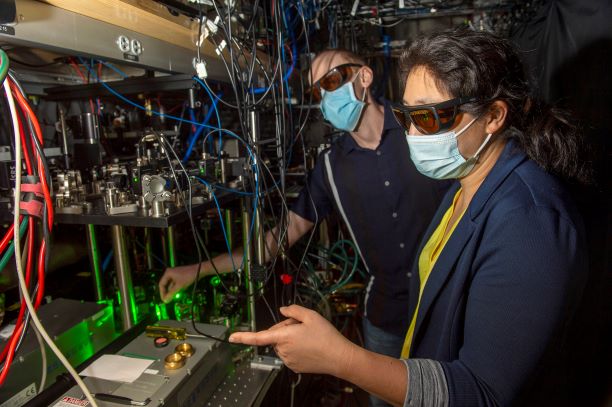
Chemical reactions are complex. Even if only a few molecules are involved, the final configuration will depend on a huge number of parameters – including, in principle, all the possible locations each electron in each atom can occupy as the reaction takes place. Calculating these trajectories is beyond the power of today’s best computers, but researchers led by Kang-Kuen Ni of Harvard University in the US have now demonstrated an alternative. By cooling molecules of potassium and rubidium down to a fraction of a degree above absolute zero, they reduced the number of possible reaction outcomes to just 57. They then probed all these outcomes down to the level of individual quantum states, paving the way for a better understanding of chemistry.
Month:May 2021
Delftse Post: Effectieve medicatie voor hartpatiënten
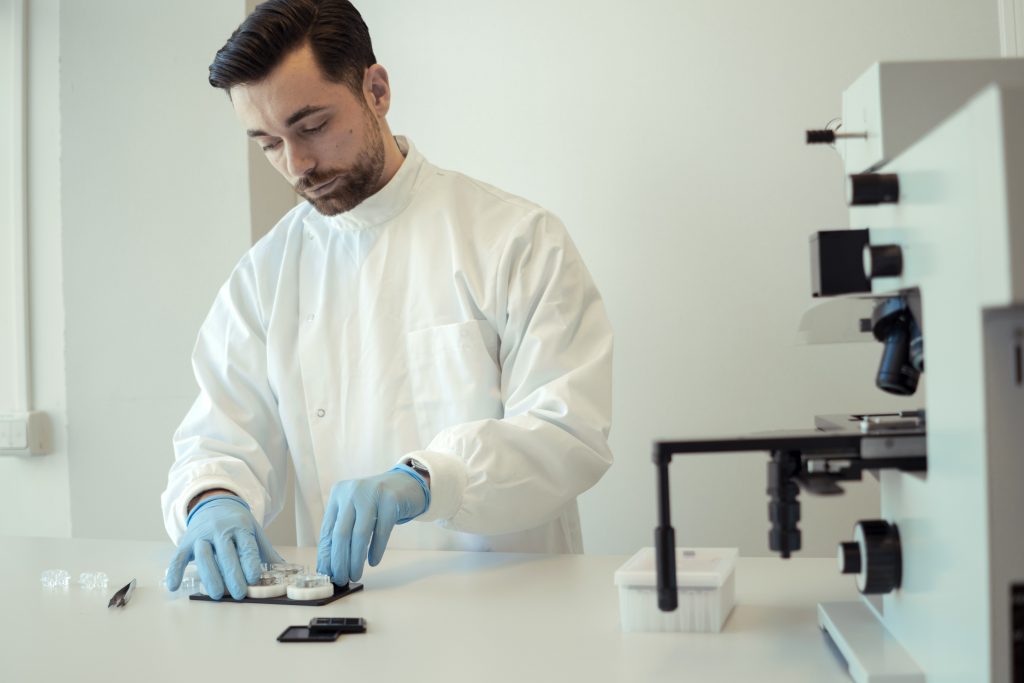
Kan iedere patiënt binnenkort een behandeling krijgen die op maat is gemaakt? Als het aan de Delftse startup Bi/ond ligt wel. Hun technologie, om je eigen cellen op hun chip in het lab te laten groeien, is nu op de markt.
Technisch Weekblad: Levende producten printen met uniek materiaal op basis van algen
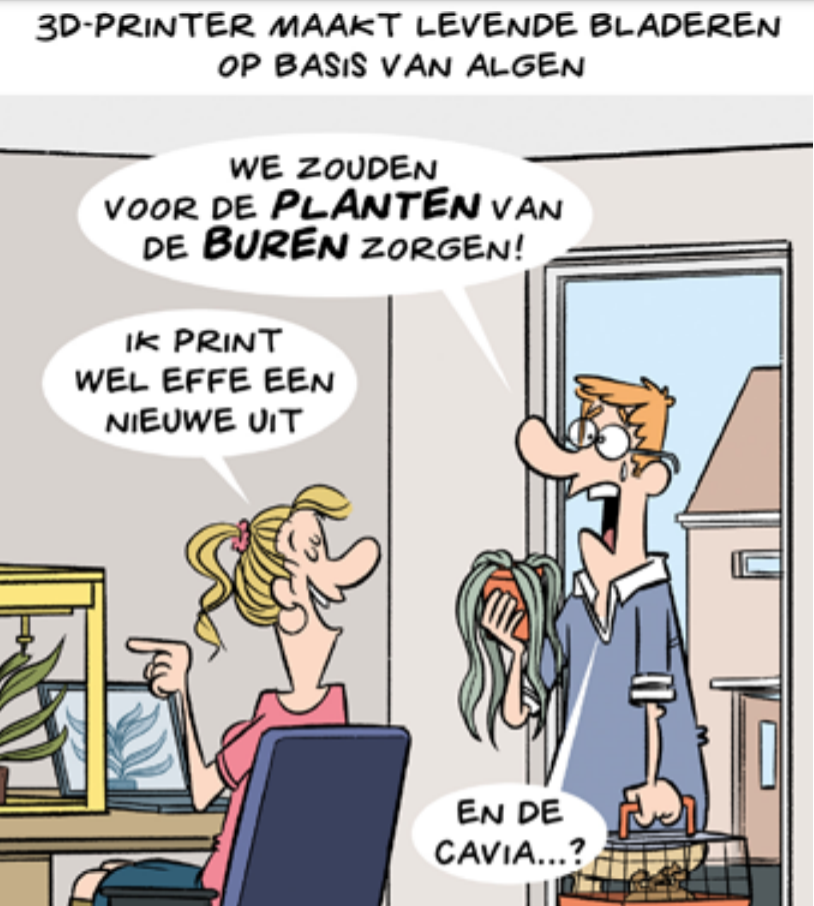
Wetenschappers aan de TU Delft hebben een robuust, maar tegelijkertijd flexibel materiaal gemaakt van levende algen. Zij gebruiken hiervoor 3D-printers, in combinatie met een nieuwe bioprinttechniek. Het materiaal is 100% organisch, biologisch afbreekbaar en kent veel toepassingen, zoals kunstmatige bladeren of levende sensoren.
Delftse Post: Cyber security in het quantumtijdperk
Na alle positieve verhalen in het nieuws over quantumcomputers zou je denken dat deze computers alleen maar goede doeleinden hebben. Maar wat als iemand een quantumcomputer gebruikt om jouw informatie te hacken? Een nieuw project zoekt hiervoor oplossingen en zorgt daarmee voor een quantumveilige toekomst.
Internationale Dag van het Licht: de uitvinding van de laser
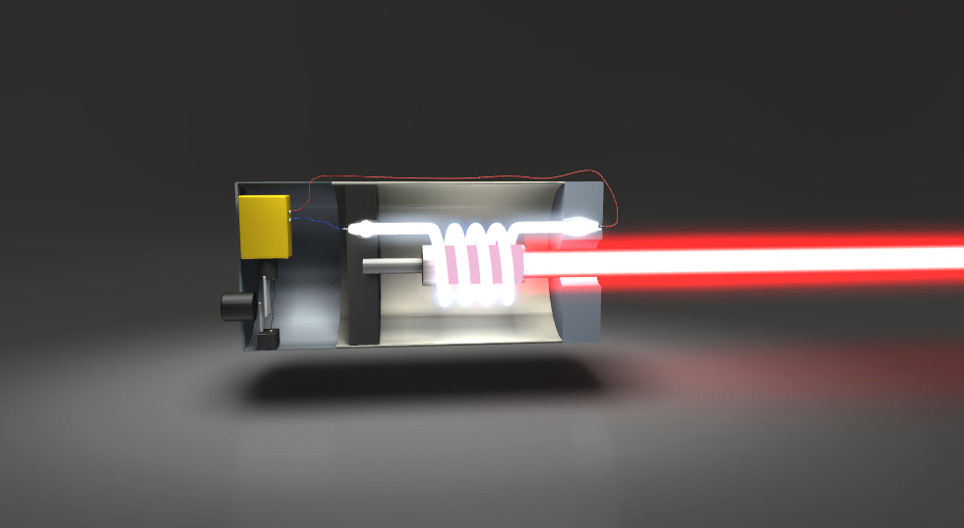
Op 16 mei 1960 kreeg Theodore Maiman voor elkaar, wat al velen probeerden te doen, maar tot op dat moment mislukte: het krijgen van laserlicht! En om deze reden vieren we op elk jaar op deze dag de Internationale Dag van het Licht.
International Day of Light: the laser invention
On the 16th of May, 1960 Theodore Maiman achieved what many already tried to do, but failed: to fire a laser! And for this reason, every year on this day we celebrate the International Day of Light.
Delftse Post: Onderzoekers printen levend materiaal
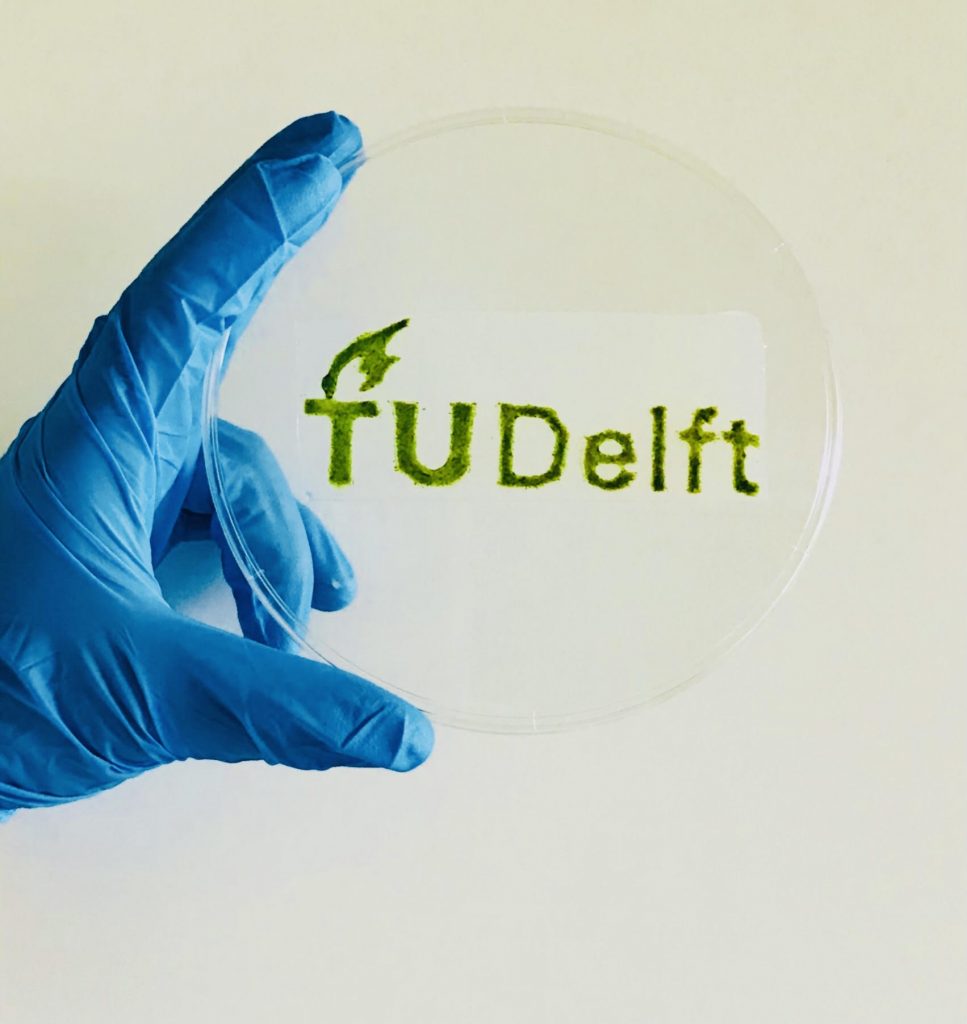
Wetenschappers aan de TU Delft hebben een levend materiaal gemaakt, dat tegelijkertijd stevig en flexibel is. Ze gebruikten levende, fotosynthetische algencellen die met behulp van een 3D-printer op het materiaal aangebracht werden. Het levende materiaal is 100% organisch en biologisch afbreekbaar en kan worden toegepast als kunstmatige bladeren of als levende sensoren.
Delftse Post: Optimaal rendement uit zonnecellen

We zien telkens meer zonnepanelen verschijnen. Helaas kan niet iedereen de aanschaf betalen. Maar wat als je meer energie uit goedkopere panelen kan halen? Nieuw TU Delft onderzoek laat zien dat een bijna maximaal rendement op economisch materiaal binnen handbereik is.